
Aashi's DPDR Recovery Story
_____________________________
Can you fully recover from Depersonalization and Derealization Disorder (DPDR), even after experiencing frightening symptoms for more than a year?
For Aashi Singh, an 18-year-old college student from Pennsylvania, USA, the answer is YES.
Aashi experienced approximately 18 months of depersonalization and derealization, including severe time distortion, visual disturbances, emotional disconnection and the unsettling feeling that her entire life was a dream or movie.
At her lowest point, she feared she was losing her mind and would never feel normal again. Today, Aashi has made a full recovery.
In this interview she explains how her DPDR started, the challenges she faced, and what helped her recover.
How Aashi's Depersonalization and Derealization Started
Aashi's symptoms began during her junior year of high school.
She was experiencing significant stress involving family, friendships and frequent travelling. Around this time, she also developed a migraine that triggered intense health anxiety.
Worried that something serious might be wrong, Aashi began searching online for explanations.
As her anxiety increased, she started experiencing derealization symptoms that made the world around her feel strange and unfamiliar.
Even after her migraine improved, the feelings of unreality continued.
Aashi struggled to believe that anxiety could cause such intense sensations. She worried that she might have a brain tumour, be developing psychosis or somehow be losing her mind.
These fears led to repeated online searches and constant monitoring of her symptoms, making an already frightening experience even more overwhelming.
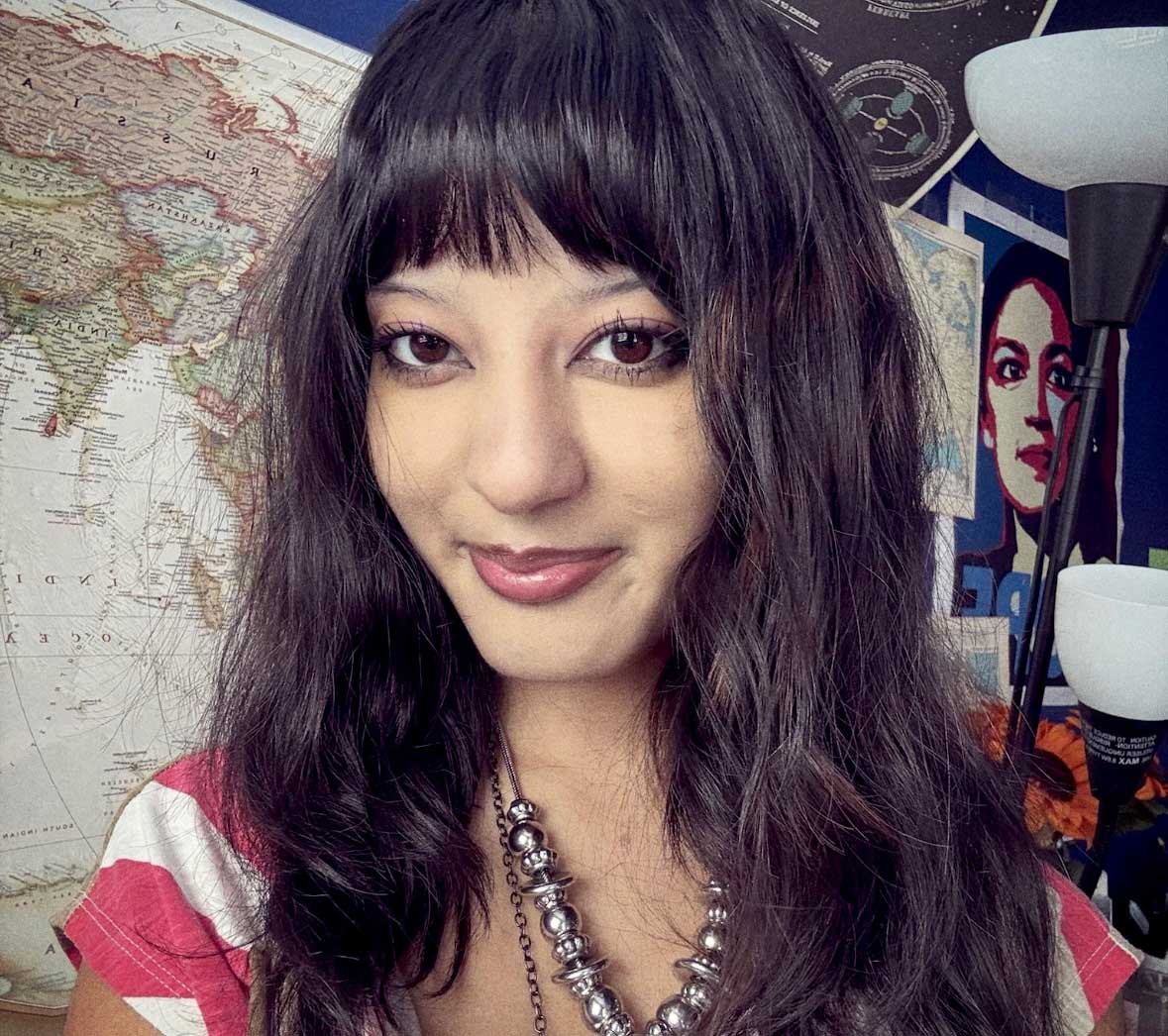
“Yes, it is completely back to normal. I don't feel like DPDR has any control over me now!”
— Aashi Singh
"My Life Felt Like a Movie": Aashi's DPDR Symptoms
One of the most unusual aspects of Aashi's experience was time distortion.
She describes how memories from just a few seconds earlier could feel as though they had happened an hour ago. Sometimes the opposite occurred, with events from much earlier feeling unusually recent.
She also experienced visual distortions, including the sensation that everything around her appeared unusually distant or zoomed out.
But perhaps the most distressing symptom was the feeling of being disconnected from reality.
When speaking to friends or family, Aashi sometimes felt as though the people around her weren't real. Her surroundings seemed dreamlike, almost as though she were watching a movie rather than living her own life.
She also experienced depersonalization, including feeling detached from herself, being on autopilot and observing her life from a third-person perspective.
These symptoms left her feeling isolated and frightened.
Because she worried that others might misunderstand her experiences, Aashi initially found it difficult to talk openly about what was happening.

Health Anxiety, Cannabis and the Fear of Never Recovering
During the first six months, Aashi became increasingly preoccupied with her symptoms.
She frequently researched DPDR online and read accounts from people who had experienced long-term depersonalization and derealization.
Although discovering that other people had similar symptoms initially provided reassurance, reading frightening stories also intensified her fear that she might never recover.
Cannabis use made matters worse.
Aashi occasionally used cannabis socially and, at one point, hoped it might temporarily relieve her feelings of derealization.
Instead, she found that her symptoms became significantly more intense afterwards, sometimes lasting for several days.
She eventually stopped using cannabis as she began prioritising her studies, wellbeing and recovery.
Another important turning point came when she started opening up to people close to her.
Her sister provided early reassurance, and later, her mother revealed that she had experienced similar anxiety-related feelings herself.
Realising that she wasn't alone helped Aashi feel less frightened and more optimistic about recovery.
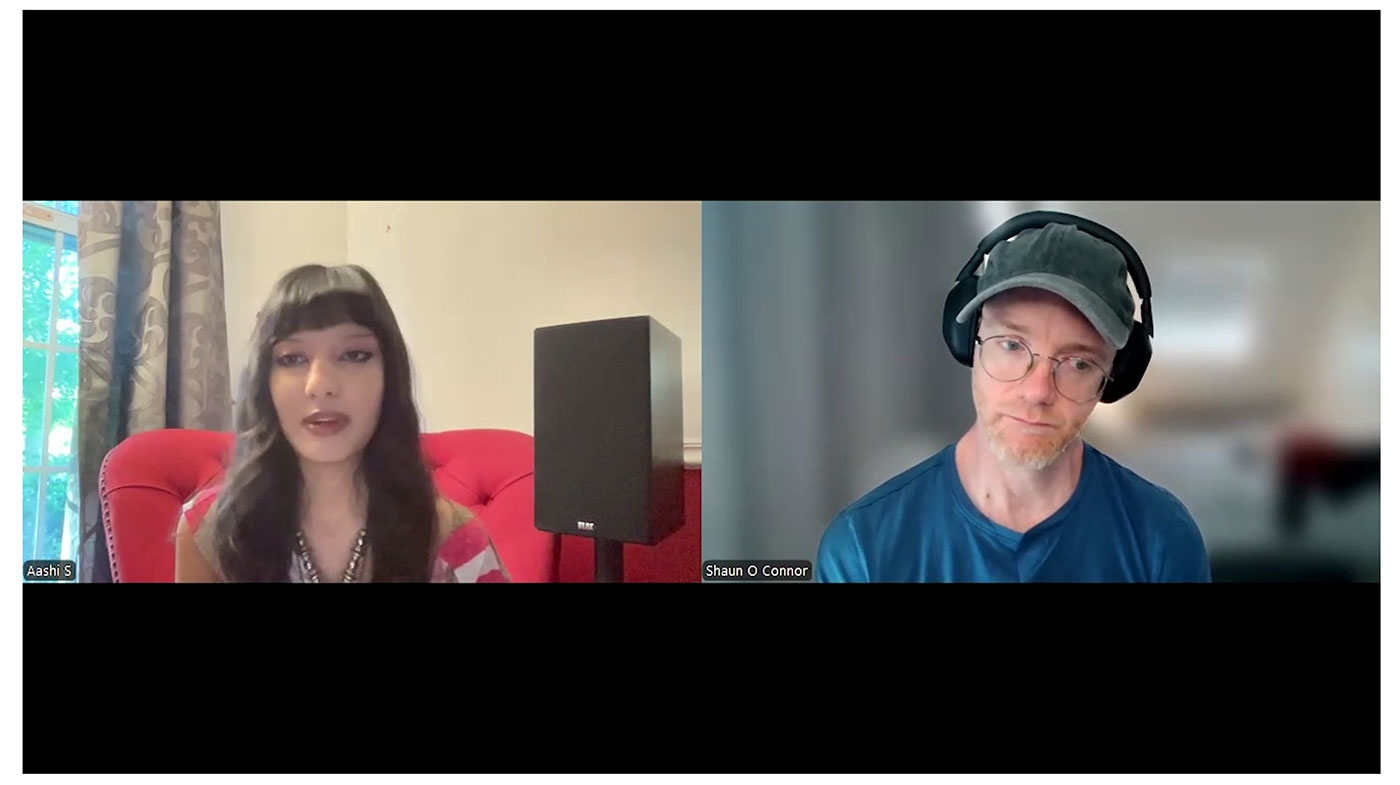
How Aashi Recovered From DPDR
Aashi's recovery was gradual rather than sudden.
As she entered her senior year of high school, she began concentrating more on her classes, grades, college applications and relationships.
Instead of spending hours searching for symptoms or checking whether everything felt real, she increasingly directed her attention towards everyday activities.
She noticed that the less she focused on derealization, the less disruptive it became.
Her symptoms didn't disappear immediately, but they gradually became less intense.
She began experiencing longer periods where she could concentrate on schoolwork, spend time with friends and enjoy ordinary life without constantly thinking about DPDR.
Support from family, friends and an online community also helped her feel less isolated.
Importantly, Aashi began to understand the connection between anxiety and her feelings of unreality. As she became less afraid of the symptoms, she found it easier to stop monitoring them and continue with her day.
How The Depersonalization Manual Helped
Aashi credits The Depersonalization Manual and YouTube recovery interviews with playing an important role in her progress.
She explains that the detailed information about DPDR helped her understand what she was experiencing and reassured her that she wasn't losing her mind.
The programme's audio / video material and practical recovery guidance also helped her develop confidence in the process.
Hearing from Shaun and other people who had personally experienced and recovered from DPDR was especially meaningful to her.
Rather than searching endlessly for an instant solution, Aashi gradually learned to redirect her attention, engage with everyday life and allow recovery to develop over time.
Watch More DPDR Recovery Stories
If Aashi's DPDR recovery story resonated with you, you may find it helpful to explore other real recovery stories on this site.
Each person’s experience is different, but they all point to the same underlying truth: DPDR is a temporary and harmless anxiety-based condition.

Written by Shaun O Connor
Shaun O Connor is the creator of The DP Manual Recovery Program and a mental health educator specializing in DPDR recovery. Since overcoming Depersonalization himself, he has helped tens of thousands of others do the same through his writing, one-on-one coaching, and YouTube channel.
✍️🕒 Last Updated on November 2, 2026 by Shaun O Connor