
DPDR Recovery Interview: Lucas Luvison, Clinical Psychologist
_____________________________
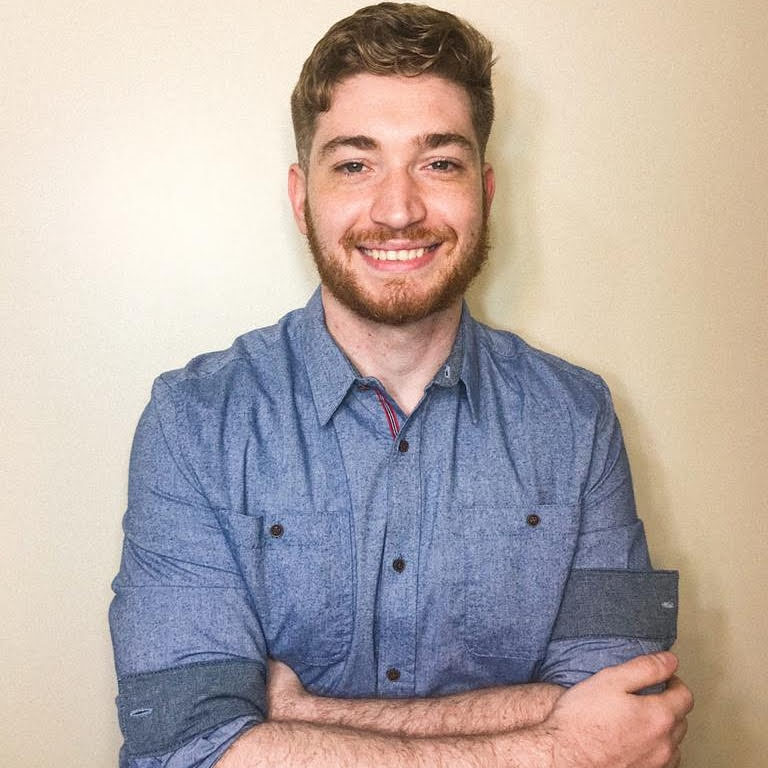
Meet Lucas Luvison, a clinical psychologist from Porto Alegre, Brazil.
In 2017, during his second year of college, Lucas developed chronic depersonalization and derealization after a bad weed experience. What began as a terrifying and disorienting shift in perception — constant feelings of unreality, intrusive thoughts, and fear that it would never end — turned into a journey of recovery and growth.
Fortunately, Lucas made a full recovery. His lived experience not only gave him resilience but also shaped his academic and professional path. He went on to write his undergraduate thesis on depersonalization, and today he is pursuing a Master’s degree, where his research explores psychological processes and their relationship to DPDR.
In this interview, Lucas shares:
-
His personal recovery story, from DPDR symptoms to life after recovery
-
How cannabis triggered his depersonalization and how he overcame it
-
Insights from his academic research into depersonalization
-
Why lived experience makes him a better therapist
-
His hopes for developing more effective treatments for DPDR
Lucas’s Recovery Story
When Lucas first developed DPDR, the symptoms were overwhelming:
-
A sense of being detached from reality and from himself
-
Intense anxiety about the permanence of his symptoms
-
Feelings of dread and philosophical intrusive thoughts
He recalls that daily life felt like being stuck in a dream, where nothing felt solid or familiar. Like many people with DPDR, he struggled to find effective help and felt misunderstood by doctors who didn’t recognize the condition.
Over time, Lucas began to see patterns in his symptoms, and by applying tools he learned through therapy and self-education, he gradually regained his sense of reality.
By 2019, he had made a full recovery.

Professional Perspective
Lucas’s story didn’t end with his own recovery. Inspired by what he went through, he wrote his undergraduate thesis on depersonalization, analyzing both its psychological roots and treatment approaches.
Now, as part of his Master’s research, Lucas is exploring how psychological processes interact with depersonalization, with the goal of improving treatment models for DPDR.
In his own words:
“At the time my DP started I didn’t know your channel yet, nor the manual. But recently I started to watch the recovery stories and was amazed by the common features that are shared, which generated insights for my project. Going forward in my career, I’m looking forward to contributing to the development of effective psychological treatments for depersonalization.”

Shaun’s Expert Commentary
What I found especially powerful in this conversation is how Lucas has combined lived experience with clinical expertise. Not only has he recovered from DPDR himself, but he is also contributing to the scientific understanding of the condition.
Our discussion about weed-triggered depersonalization is particularly important, as this is one of the most common questions I get from sufferers. Lucas’s insights here show that even in severe, cannabis-triggered cases, full recovery is possible.
Equally, his emphasis on psychological flexibility and research-informed approaches makes this interview a valuable resource for both sufferers and clinicians.

Lucas’s story shows that recovery from depersonalization and derealization is always possible, even after a long and frightening episode. His journey -- from a bad weed experience to full recovery, to becoming a clinical psychologist -- is a powerful reminder that DPDR does not have to define your life.
👉 Watch the full interview above, and explore more DPDR recovery interviews here.
About Lucas Luvison:
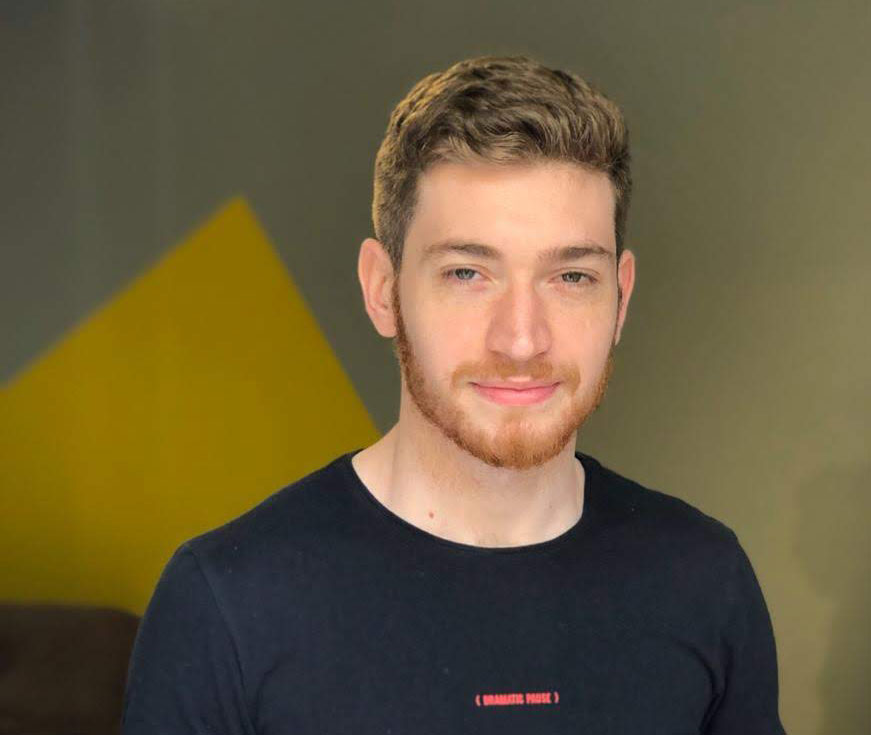
Lucas Luvison is a clinical psychologist based in Porto Alegre, Brazil. In addition to his lived experience of recovering from depersonalization and derealization, he has pursued academic research into the condition. You can find more about his work on LinkedIn and ResearchGate, where he contributes to ongoing studies in psychology and mental health.
📌Disclaimer:
The information in this interview is shared for educational purposes only and is not intended as medical advice. Lucas Luvison shares his personal lived experience and professional perspective as a clinical psychologist. Every case of depersonalization and derealization is unique, and recovery timelines may vary. If you are struggling with DPDR or any mental health condition, please consult a qualified healthcare professional.

Written by Shaun O Connor
Shaun O Connor is the creator of The DP Manual Recovery Program and a mental health educator specializing in DPDR recovery. Since overcoming Depersonalization himself, he has helped tens of thousands of others do the same through his writing, one-on-one coaching and YouTube channel.
✍️🕒 Last Updated on August 21, 2025 by Shaun O Connor