
DPDR Recovery Interview: Brody's Story Of Overcoming Depersonalization and Derealization
_____________________________
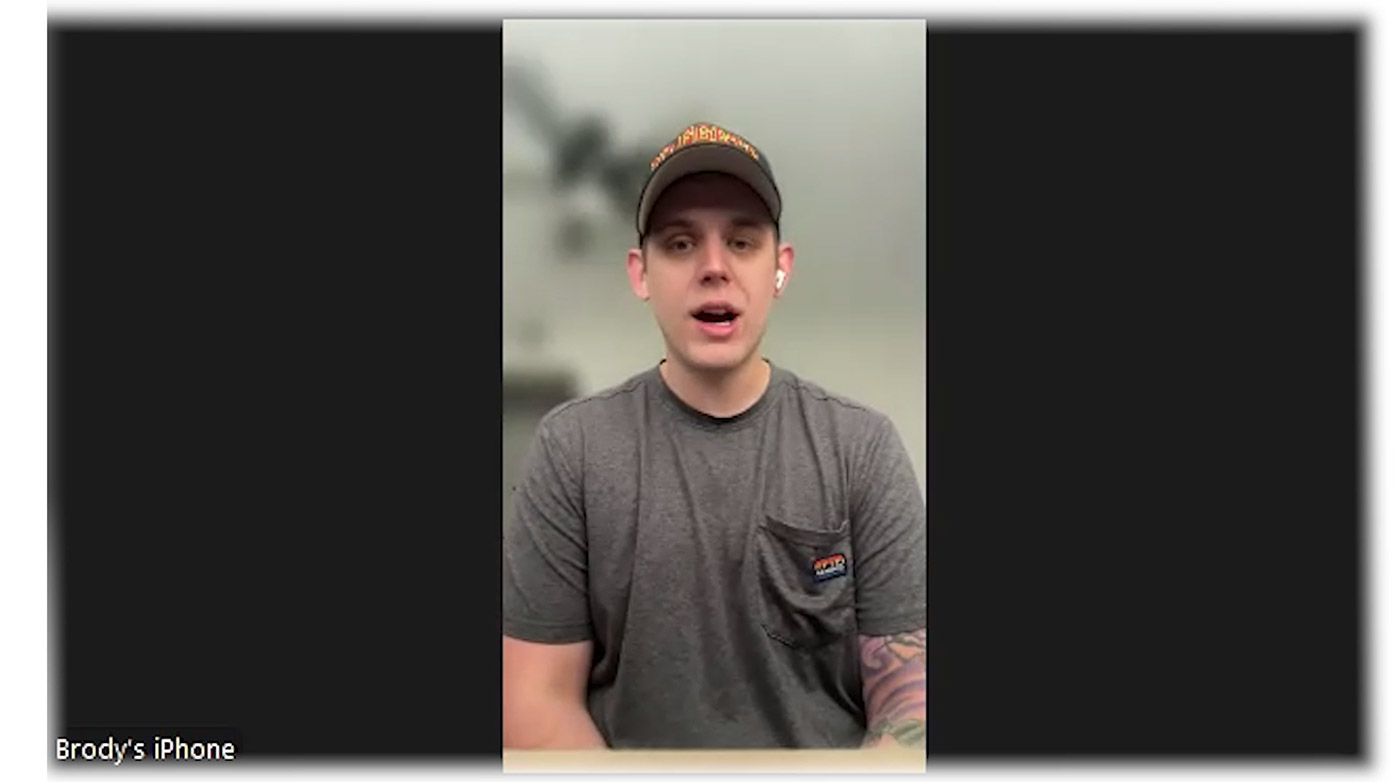
Real recovery stories matter. Today, we’re sharing the journey of Brody (30), from Phoenix, Arizona -- a story that begins with a sudden and terrifying middle-of-the-night panic attack that sent his mind and body into a tailspin.
In this interview, Brody opens up about the fear, confusion, and intense existential symptoms that followed, and how he was able to fully recover from Depersonalization / Derealization Disorder (DPDR) with the right tools, support, and a structured recovery approach.

Brody’s DPDR Story
Brody’s experience with Depersonalization / Derealization Disorder (DPDR) began after a sudden panic attack that struck in the middle of the night — a moment that left him disoriented, terrified, and unsure of what was happening to him.
His symptoms included:
- 🌀 Intense existential thoughts that felt impossible to escape
- 🏡 Familiar people and places suddenly feeling “off,” strange, or unreal
- 💥 A constant sense of fear — feeling scared of everything
Brody’s DPDR lasted for about one year in total. And like so many people, his turning point came when he finally reached out for help instead of trying to manage everything alone.

“With the DP Manual I can say that I have made a full recovery. Without your program and videos I would still be in a state of fear. Your work truly saved me.” – Brody
Expert Commentary
As the author of The DP Manual and a long-time educator on DPDR recovery, I found Brody’s story especially powerful for anyone dealing with intense existential thoughts or the fear that “everything feels unreal.”
One of the most important takeaways from his interview is the reminder that DPDR is a temporary, reversible anxiety response, not a philosophical condition, not a loss of control, and not a permanent state.
Brody’s recovery highlights something I see again and again:
When sufferers stop chasing the thoughts, stop checking how they feel, and start gently re-engaging with normal life, the nervous system stabilizes, and symptoms fade.
What Helped Brody Recover
Brody shares several key shifts that helped him move from constant fear to full recovery:
- Understanding the condition: Learning what DPDR actually is immediately reduced his fear.
- Following a structured recovery plan: He applied the tools from The DP Manual consistently, even on difficult days.
- Facing fear instead of avoiding it: Brody began re-engaging with daily life instead of waiting to “feel normal” first.
- Letting symptoms rise and fall naturally: He stopped monitoring every sensation and allowed his nervous system to settle.
Each of these steps helped interrupt the fear cycle -- the core mechanism that keeps DPDR alive.

Watch More Recovery Interviews
If Brody’s story inspired you, be sure to explore more DPDR recovery interviews. Each one highlights a different path and proves that recovery is always possible, no matter the trigger or how long symptoms have lasted.

Written by Shaun O Connor
Shaun O Connor is the creator of The DP Manual Recovery Program and a mental health educator specializing in DPDR recovery. Since overcoming Depersonalization himself, he has helped tens of thousands of others do the same through his writing, one-on-one coaching, and YouTube channel.
✍️🕒 Last Updated on December 7, 2025 by Shaun O Connor