
DPDR Recovery Story: Piotr Wojnar
_____________________________
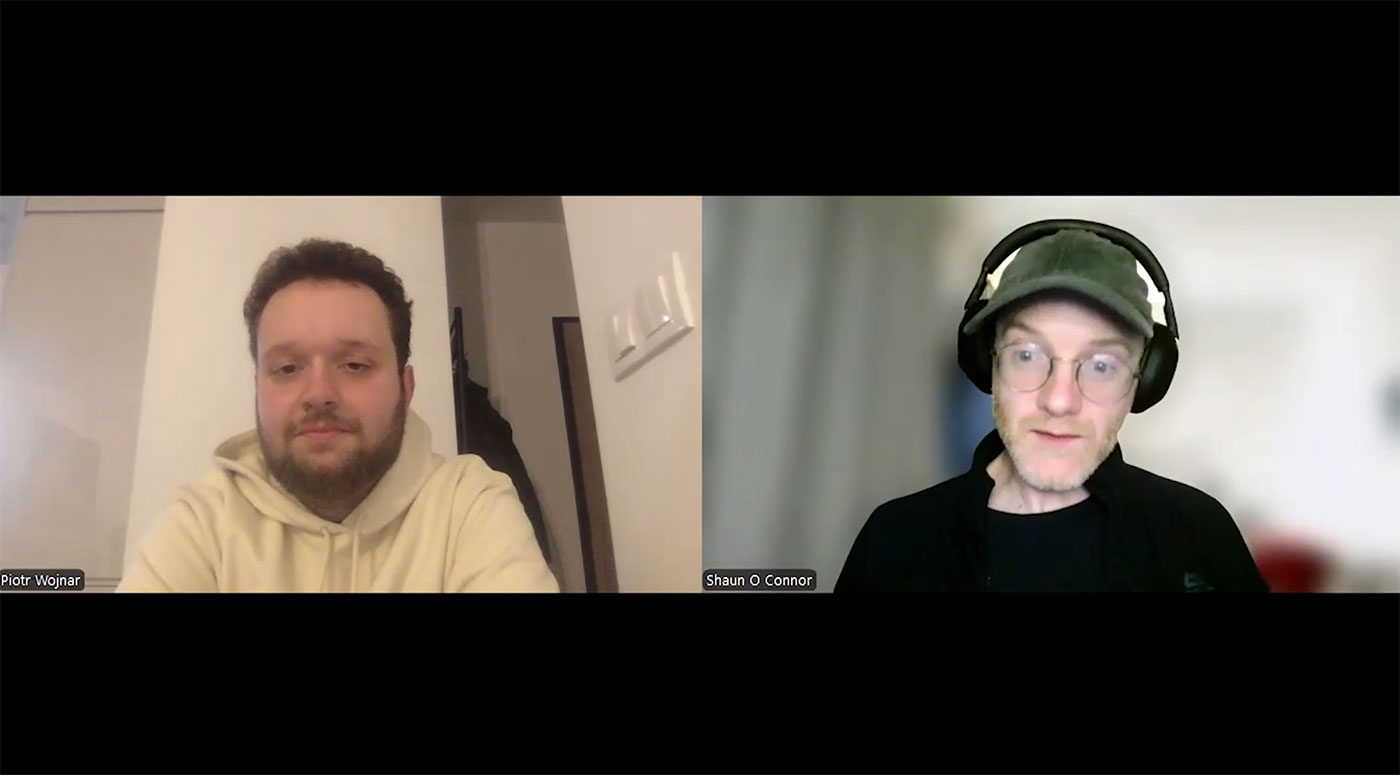
Piotr Wojnar developed Depersonalization / Derealization Disorder (DPDR) after a prolonged period of unmanaged anxiety that gradually overwhelmed his nervous system. Looking back, there wasn’t a single moment that caused everything to collapse. It was the cumulative effect of long-term stress finally reaching a breaking point.
In this DPDR recovery story, Piotr shares how anxiety slowly began to change the way his body and mind felt, the frightening symptoms that followed, and how learning to address both the anxiety itself and its physical contributors became the foundation of his recovery. He also reflects on what life feels like now, with distance from the condition and a return to normal functioning.
Piotr’s DPDR Story
Piotr’s DPDR developed gradually, following a long period of unmanaged anxiety. Rather than a sudden panic event, his symptoms emerged as his nervous system remained under constant pressure for months, with no real opportunity to reset.
As the anxiety accumulated, Piotr began to experience a growing sense of disconnection from himself and the world around him. Everyday experiences no longer felt natural or automatic, and this shift triggered fear, confusion, and constant self-monitoring.
His symptoms included:
• 🌀 Persistent feelings of depersonalization and derealization
• 😰 Heightened anxiety and fear about his mental state
• 🧠 Intrusive, existential-style thoughts that felt difficult to escape
Piotr’s DPDR lasted for several months. During that time, the symptoms felt consuming, and like many people with DPDR, he worried about what they might mean and whether he would ever feel normal again.

“Looking back, it wasn’t one single moment that caused everything. It was years of anxiety building up without any real coping mechanisms. Once I understood what was happening and stopped fearing the symptoms, things slowly started to change.”
— Piotr Wojnar
Anxiety, Physiology, and the Nervous System
A key part of Piotr’s DPDR recovery story is understanding how prolonged anxiety affects the nervous system over time. When anxiety is left unaddressed, the body can remain stuck in a heightened state of alert, constantly scanning for danger.
In Piotr’s case, this ongoing stress response altered how his body and mind felt on a day-to-day basis. Sensations became unfamiliar, thoughts felt intrusive, and normal experiences no longer felt grounded or automatic. The more he tried to analyse or control these sensations, the more intense they seemed.
Recognising DPDR as a stress-based nervous system response (rather than a sign of something permanently wrong) was an important step. This shift in understanding helped reduce fear and allowed his system to gradually move out of survival mode.

Expert Commentary
As someone who has worked with DPDR recovery for many years, Piotr’s story reflects a very common (and often misunderstood) pattern. DPDR doesn’t usually appear because of a single traumatic event. More often, it develops when anxiety has been present for a long time without being properly recognised or managed.
When the nervous system stays in a heightened state for months or years, it can begin to alter perception as a protective response. Depersonalization and derealization are not signs of damage or mental illness, they are signals that the system has been under sustained pressure.
What stands out in Piotr’s recovery story is the moment fear was removed from the symptoms. Once he stopped interpreting every sensation and thought as dangerous, his nervous system was finally given the space to regulate itself again. This is when recovery begins to unfold, not through force or analysis, but through understanding and reduced resistance.

What Helped Piotr Recover from DPDR
In Piotr’s DPDR recovery story, several key changes helped break the cycle of anxiety and disconnection:
• Gaining a clear understanding of DPDR as an anxiety-based nervous system response
• Addressing long-standing anxiety instead of only reacting to symptoms
• Reducing fear around intrusive and existential thoughts
• Stopping constant self-monitoring and mental checking
• Allowing symptoms to be present without trying to analyse or eliminate them
Rather than trying to “think his way out” of DPDR, Piotr focused on changing his relationship with anxiety itself. As fear reduced and the nervous system settled, the symptoms gradually lost their intensity.
Life After DPDR
With distance from DPDR, Piotr describes a clear return to normal functioning. The symptoms that once dominated his attention no longer dictate how he lives his life, and his thoughts and perceptions have settled back into a familiar, grounded state.
What stands out in Piotr’s recovery story is how ordinary life gradually resumed once fear was removed from the experience. DPDR didn’t need to be “fixed” or analysed away, it faded as his nervous system stabilised and anxiety lost its grip.
His experience is a strong reminder that DPDR is not permanent, and that recovery often happens quietly, in the background, as attention shifts back toward living rather than monitoring symptoms.
Watch More DPDR Recovery Stories
If Piotr’s DPDR recovery story resonated with you, you may find it helpful to explore other real recovery stories on this site. Each person’s experience is different, but they all point to the same underlying truth: DPDR is a reversible anxiety-based condition.
Hearing how others moved through fear, confusion, and uncertainty, and came out the other side, can be a powerful reminder that recovery is not only possible, but expected.

Written by Shaun O Connor
Shaun O Connor is the creator of The DP Manual Recovery Program and a mental health educator specializing in DPDR recovery. Since overcoming Depersonalization himself, he has helped tens of thousands of others do the same through his writing, one-on-one coaching, and YouTube channel.
✍️🕒 Last Updated on January 20, 2026 by Shaun O Connor