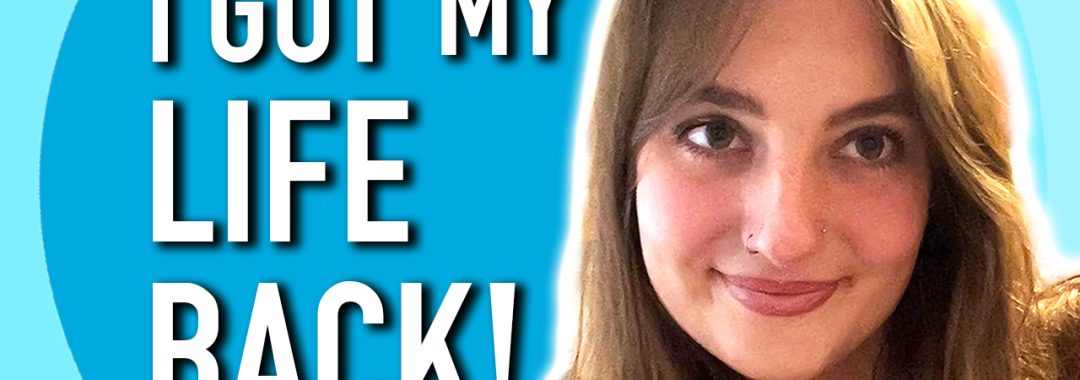
DPDR Recovery Story: Riley Pereira
_____________________________
In this DPDR recovery story, we meet Riley Pereira (21), currently based in Flagstaff, Arizona. Riley developed Depersonalization / Derealization Disorder (DPDR) after a prolonged period of extreme burnout. At the time, she was juggling two jobs with very early mornings and late nights, studying full-time, and playing soccer, all at the same time.
Riley explains how constant pressure pushed her nervous system into fight-or-flight, leading to panic attacks, a frightening sense of disconnection from her body, and the fear that she might never feel normal again. She also shares how understanding what was actually happening in her nervous system became the turning point in her recovery.
Riley’s DPDR Story
Riley’s DPDR recovery story began not with a single dramatic moment, but with months of sustained overload. Balancing two demanding jobs, full-time college, and competitive soccer left her nervous system with no opportunity to rest or recover.
Over time, her body responded by staying permanently switched on. Panic attacks became frequent, and a disturbing sense of disconnection began to set in, as though her body no longer felt like her own.
Riley’s symptoms included:
• 💥 Consistent panic attacks
• 🫥 A persistent feeling that her body didn’t feel real or familiar
Her DPDR lasted for approximately seven months. During that period, the symptoms felt relentless, and like many people experiencing DPDR, Riley feared that this state might last forever.

“I thought this was going to last the rest of my life, and now I’m happy to say that it’s completely gone. I went back to college, forgot about DPDR entirely, and got back to living my life. I’d love to share this experience to help everyone, especially people my own age to understand that this is temporary.” ✨
- Riley Pereira
Burnout, Fear, and the Nervous System
One of the most important themes in Riley’s DPDR recovery story is burnout.
When the nervous system is exposed to prolonged stress without adequate rest, it can become locked into a chronic fight-or-flight state. For Riley, this showed up as panic attacks, constant fear, and a sense of disconnection from her own body -- classic signs of a nervous system that no longer feels safe.
Understanding that DPDR is a stress-based nervous system response, rather than a sign of damage or illness, was a crucial turning point. As Riley began to remove fear from the symptoms and stop fighting the sensations, her nervous system gradually started to settle, allowing recovery to unfold naturally.

Expert Commentary
As the creator of The Depersonalization Manual and someone who has worked with DPDR recovery for many years, Riley’s story follows a pattern I see again and again.
DPDR does not appear out of nowhere. It emerges when a nervous system has been under sustained pressure for too long, whether that pressure comes from burnout, anxiety, panic attacks, or emotional overload. In Riley’s case, months of pushing through exhaustion left her system stuck in survival mode.
What’s important to understand is that DPDR is not a sign of damage, illness, or something “broken.” It’s a protective response, it's harmless and it's temporary. When fear is removed from the symptoms and the person stops monitoring themselves constantly, the nervous system is finally given the space it needs to recalibrate.
Riley’s recovery story is a clear example of this process. Once she understood what was happening and stopped treating the sensations as dangerous, her symptoms gradually lost their power, and normal life returned.

What Helped Riley Recover from DPDR
In this DPDR recovery story, Riley highlights several key changes that helped her nervous system settle and allowed recovery to unfold:
• Gaining a clear understanding of DPDR as a temporary stress response
• Stopping the constant checking of symptoms and bodily sensations
• Allowing panic and discomfort to be present without trying to control them
• Returning to everyday life: College, responsibilities and routines etc before feeling “ready”
• Gradually deprioritising anxiety instead of treating it as an emergency
Rather than waiting for DPDR to disappear first, Riley allowed life to resume, and as her focus shifted outward, the symptoms began to fade naturally.
Life After DPDR
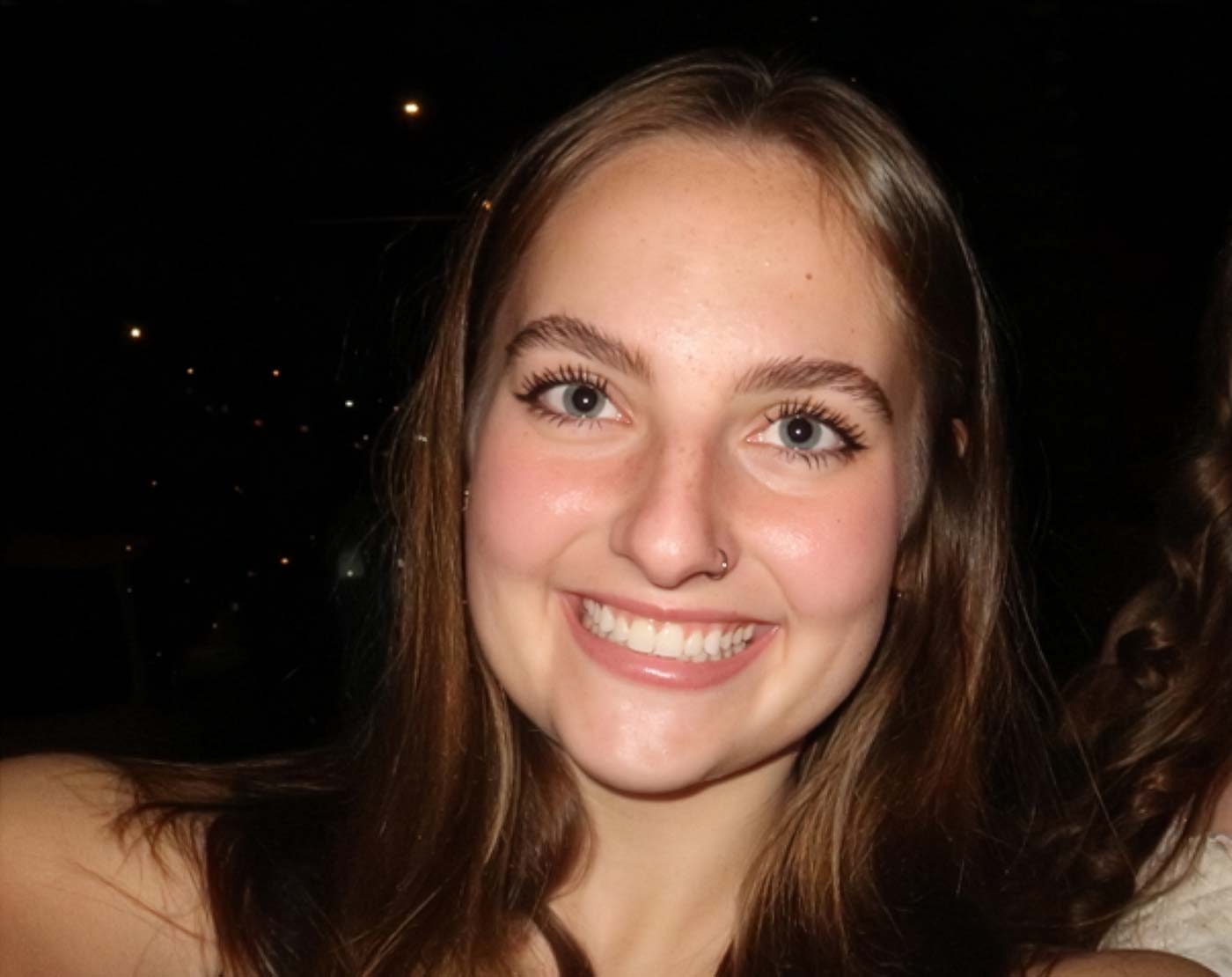
Today, Riley describes feeling fully back to herself. DPDR no longer occupies her thoughts, and the symptoms that once felt overwhelming have faded into the background of everyday life.
She returned to college, reconnected with her routines, and stopped viewing her internal sensations as something to fear or analyse. What once felt like a permanent condition is now completely gone.
Riley’s DPDR recovery story is especially reassuring for younger people experiencing burnout or anxiety-driven DPDR, a reminder that this state is temporary, and that a full return to normal life is always possible.
Watch More DPDR Recovery Stories
If Riley’s DPDR recovery story resonated with you, you can explore many more real recovery stories here. Each interview highlights a different trigger: burnout, panic attacks, health anxiety, substance use, or prolonged stress -- but they all share the same outcome: recovery. And don't forget to check out hundreds of recovery testimonials here.
Hearing multiple perspectives can be incredibly grounding, especially when DPDR makes you feel isolated and alone. They can help to remind you that DPDR is temporary and harmless and you can and will recover and get 100% back to normal.

Written by Shaun O Connor
Shaun O Connor is the creator of The DP Manual Recovery Program and a mental health educator specializing in DPDR recovery. Since overcoming Depersonalization himself, he has helped tens of thousands of others do the same through his writing, one-on-one coaching, and YouTube channel.
✍️🕒 Last Updated on January 13, 2026 by Shaun O Connor